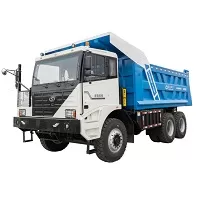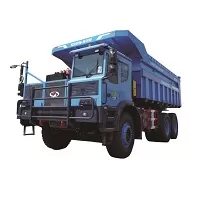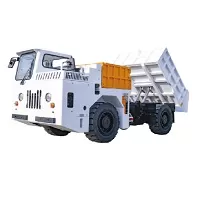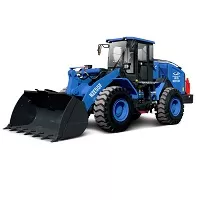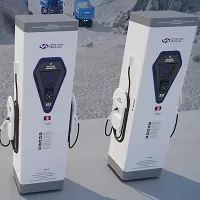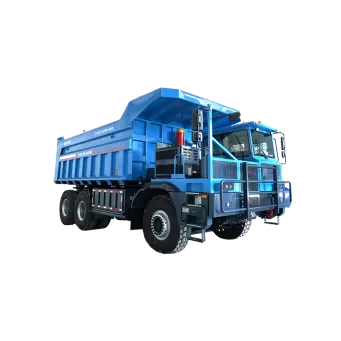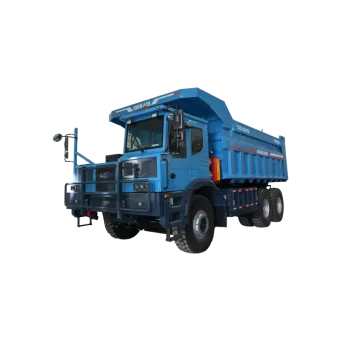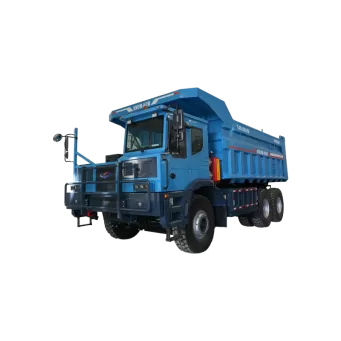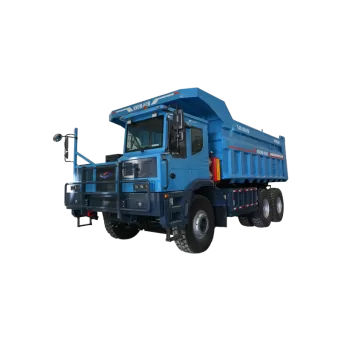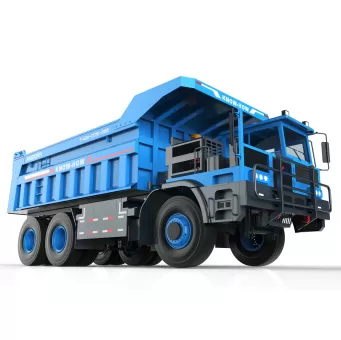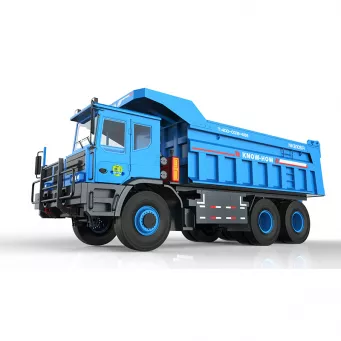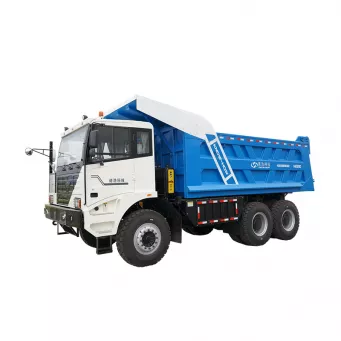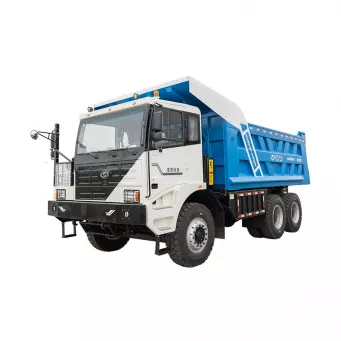
In the mining industry, the operational efficacy of Electric Rigid Dump Trucks (ERDTs) is significantly impacted by the methods used for energy management, particularly during downhill haulage. The problem is not merely about energy waste; it encompasses the broader implications of increased operational costs, safety hazards, and environmental impacts. As mining companies strive for efficiency, the lack of a strategic approach to regenerative braking equivalents directly affects their bottom line. Neglecting this critical system can lead to a cascade of inefficiencies and adverse outcomes, confirming the urgency of adopting advanced technologies like regenerative braking.
Understanding the intricacies of regenerative braking technology reveals why it is essential in the context of downhill excursions. When a truck navigates downward, it generates kinetic energy, which, without an effective braking system, dissipates as heat. Regenerative braking captures this energy, efficiently converting it into electric power that can be used to either recharge the vehicle’s batteries or power systems within the truck. This process not only minimizes the depletion of battery life but also enhances the overall performance of ERDTs during haulage operations. The traditional braking systems, primarily based on friction, not only lead to wear and tear but also require frequent maintenance and replacements, incurring further costs.
The implications of effective regenerative braking extend to the entire mining sector, aligning with operational cost-saving strategies and sustainability initiatives. For companies, the integration of these advanced systems translates to significant reductions in fuel and operational costs, which can be in the realm of 30% to 50% savings in energy consumption. Furthermore, the positive environmental footprint of reduced emissions and energy recycling aligns with global sustainability standards, appealing to stakeholders focused on corporate responsibility. Organizations utilizing regenerative braking are not only enhancing the safety of their hauling operations by reducing wear on traditional braking systems but are also optimizing energy usage that complies with ASTM standards for sustainable practices.
To illustrate the tangible benefits, consider a case study involving a leading mining company that implemented regenerative braking systems in its fleet of electric mining trucks. As a result, they documented a 25% increase in operational efficiency over two years, along with an unexpected reduction in equipment maintenance costs by nearly 40%. The data demonstrated that downhill cycles, which previously required frequent stops for brake maintenance, now allowed the trucks to recover energy efficiently, leading to increased uptime during operations. This adaptability in achieving operational excellence set new benchmarks in their operational protocols.
However, failure to address the critical role of regenerative braking could spell doom for mining enterprises, especially as industry dynamics evolve. The risks of ignoring this technology could include skyrocketing maintenance costs, inefficiency leading to downtime, and a deteriorating environmental image that might jeopardize licensing and public perception. Ignoring the potential of these advanced systems is tantamount to disregarding growth and innovation altogether—a critical misstep as competition intensifies and regulatory pressures mount.
In conclusion, integrating regenerative braking technology into electric mining trucks is not merely an upgrade; it is a requisite strategy for companies that wish to secure their place in a rapidly evolving industry landscape. By investing in KNOW-HOW surrounding regenerative braking, mining operations can not only enhance their cost-efficiency but also support broader environmental goals. I urge fellow industry professionals to make this a priority. The time to optimize your downhill haulage processes is now; let’s lead the way in adopting advanced technologies that ensure our future resilience and success.
Jul. 23, 2022
View More
Jun. 15, 2022
View More
Jun. 01, 2022
View More