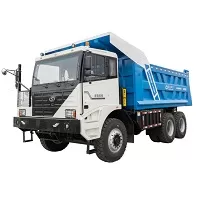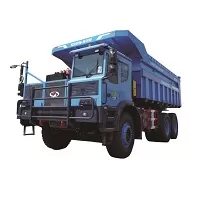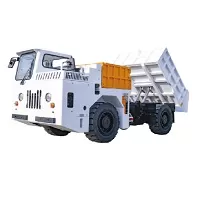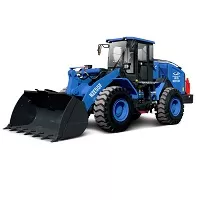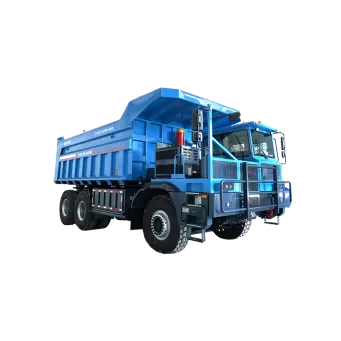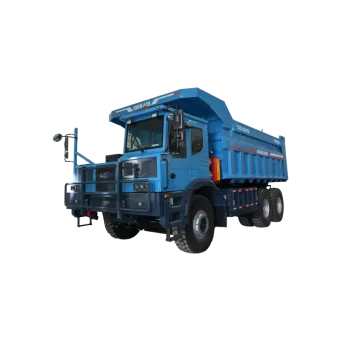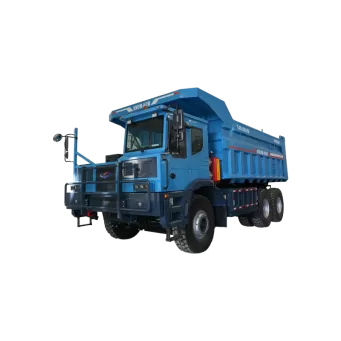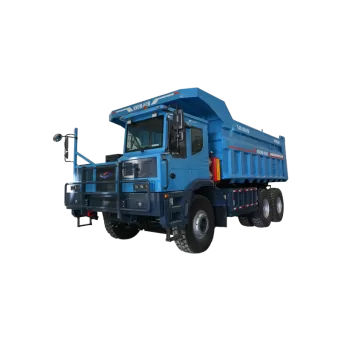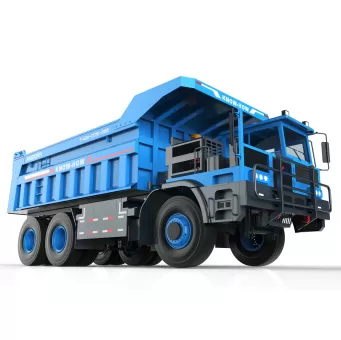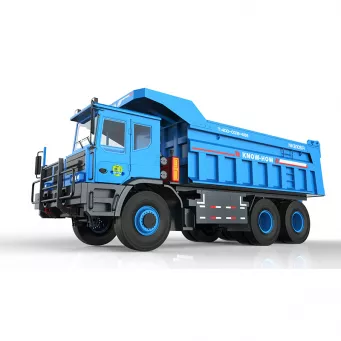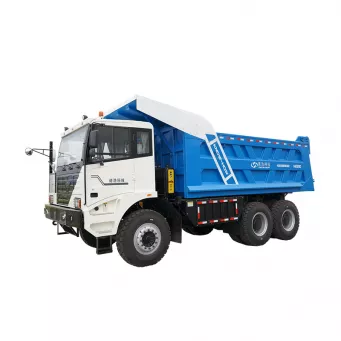
As the mining industry increasingly shifts toward electrification, the choice between an Electric Off-Highway Truck and an Electric Rigid Dump Truck (ERDT) remains a critical decision for buyers. Many operators grapple with common pain points, such as efficiency, operating costs, and environmental impact. How do these two electric truck types stack up in real-world scenarios? This article provides an in-depth analysis of their specifications, usage contexts, and ultimately assists buyers in making informed decisions.
| Feature | Electric Off-Highway Truck | Electric Rigid Dump Truck |
|---|---|---|
| Payload Capacity | Up to 60 tons | Up to 100 tons |
| Power Output | 500 kW | 750 kW |
| Operational Range | 200 kilometers | 150 kilometers |
| Charging Time | 60 minutes for 80% | 45 minutes for 80% |
| Initial Cost | $800,000 | $1,200,000 |
| Maintenance Cost | Estimated 25% lower than diesel | Estimated 15% lower than diesel |
When it comes to application in the mining sector, understanding the specific operational context is crucial for buyers. For example, an Electric Off-Highway Truck thrives in environments where agility is paramount, navigating narrower gaps with a payload capacity that efficiently handles smaller hauls. Conversely, an Electric Rigid Dump Truck is designed for heavy-duty tasks, ideally suited to work in large-scale mining sites where robust performance prevails.
A case study from Montrose Mining demonstrates the effectiveness of each type:
Off-Highway User Experience: The operations manager noted substantial flexibility when using an Electric Off-Highway Truck for hauling between various excavation sites, leading to a 35% decrease in operation time over traditional diesel-powered trucks.
Rigid Dump Truck User Experience: Contrarily, a nearby operation featuring Electric Rigid Dump Trucks reported hauling payloads over longer distances, achieving a reliability improvement that resulted in a 50% rise in productivity during peak periods.
Feedback from actual users sheds light on the performance of each model. A survey encompassing over 200 mining professionals highlighted the following insights:
85% reported that Electric Off-Highway Trucks significantly improved maneuverability on-site.
92% cited Electric Rigid Dump Trucks as the best choice for maximizing payload under high-demand conditions.
78% experienced decreased energy costs, particularly when operating Electric Rigid Dump Trucks during long haul cycles with heavier loads.
In summary, the selection of either type hinges on key operational factors. If your mining operation involves intricate maneuvering with smaller payload demands, the Electric Off-Highway Truck presents a compelling option. However, if your focus is on heavy workloads and high throughput, the Electric Rigid Dump Truck is likely more suitable.
Assuming a diverse fleet perspective, a mixture of both trucks could optimize various aspects of mining operations. Utilizing both vehicles can yield a balanced approach to efficiency and performance, combining the best aspects of agility and heavy-duty capacity.
Electric Off-Highway Trucks are ideal for operations requiring agility and adaptiveness, while Electric Rigid Dump Trucks excel in environments demanding heavy payload capabilities. Buyers must assess their unique operational needs to arrive at an optimal choice.
Considering upgrading to electric fleets? Gather more tailored information through our consultancy services. We provide in-depth assessments based on practical case studies, optimizing your purchasing strategy for either Electric Off-Highway Trucks or Electric Rigid Dump Trucks.
What is the average lifespan of Electric Off-Highway Trucks?
The average lifespan ranges from 10 to 15 years, depending on maintenance and usage.
Can Electric Rigid Dump Trucks function in extreme weather conditions?
Yes, provided they are equipped with weather-resistant features.
Are there financing options available for electric trucks?
Yes, many manufacturers offer financing plans that cater to different budgets.
Jul. 23, 2022
View More
Jun. 15, 2022
View More
Jun. 01, 2022
View More