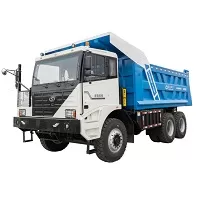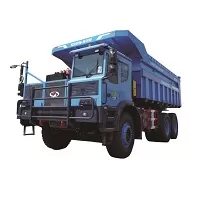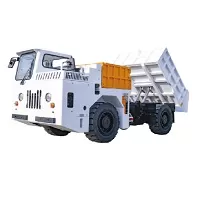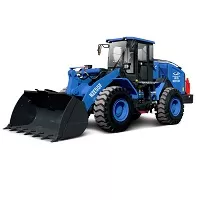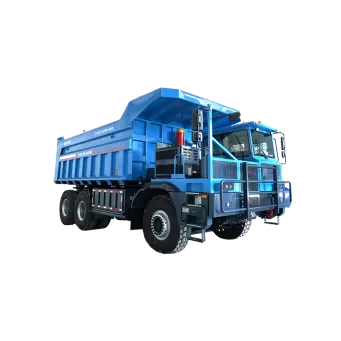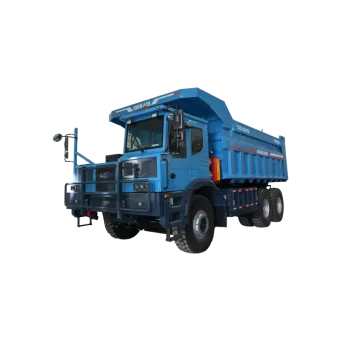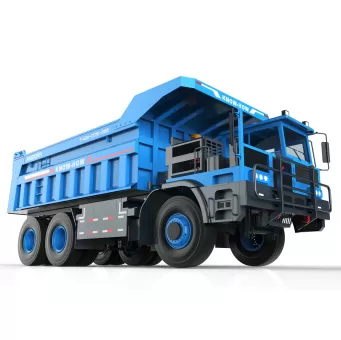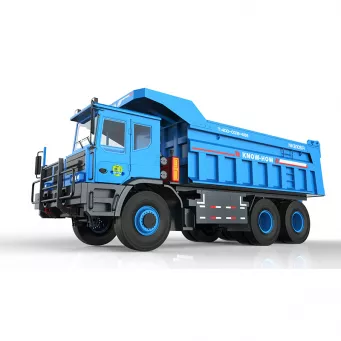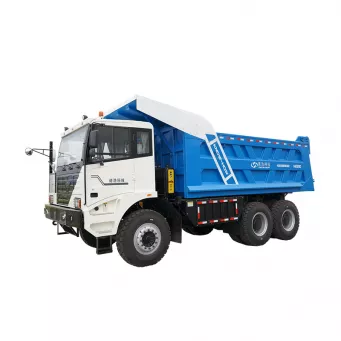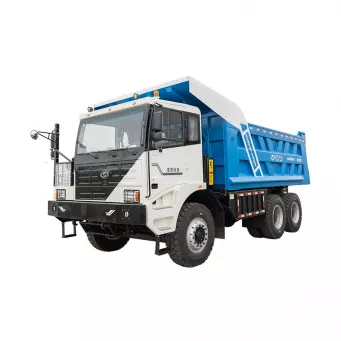
In today's rapidly evolving mining industry, the debate surrounding the transition from diesel trucks to electric haul trucks is more critical than ever. As I delve into this topic, it becomes apparent that many mining operations continue to invest in diesel-powered rigid dump trucks rather than making a full switch to electric vehicles. This ongoing reliance on traditional diesel trucks can be attributed to a complex web of logistical, economic, and operational factors—the consequences of which could reshape the very fabric of mining efficiency and sustainability.
A closer look at the underlying reasons reveals that the inertia towards diesel trucks often stems from the significant upfront costs associated with electric haul truck technology. With initial investments for electric systems typically ranging from 25% to 50% higher than their diesel counterparts, businesses are understandably cautious. Moreover, the current infrastructure in many remote locations may not yet accommodate the charging stations necessary for electric trucks. I have witnessed firsthand how outdated practices and conservative capital expenditure approaches lead to missed opportunities for modernization. Mines often hesitate to disrupt established workflows, fearing that the transition could result in costly downtimes or operational inefficiencies.
From an industry perspective, the decision to maintain a diesel-dependent fleet is not without its repercussions. Diesel trucks provide a proven, reliable form of transportation that has supported the sector's logistics for decades, yet this path is increasingly at odds with the global push for sustainability. According to the International Energy Agency (IEA), switching to electric vehicles in the mining sector could lead to a reduction of greenhouse gas emissions by up to 25%. The longer companies cling to diesel technology, the more they risk falling behind in terms of meeting regulatory standards and addressing shareholder demand for greener practices.
Data reinforces these observations. A recent study revealed that electric haul trucks—notably those with advanced battery technologies—can reduce operational costs by up to 15% annually due to decreased fuel consumption and maintenance costs. Nevertheless, despite these figures, my industry conversations expose a pervasive sentiment: companies remain anxious about transitioning fleets that require massive investments and a reconfiguration of how operations are conducted on-site. A particular mining company that I previously collaborated with highlighted this dilemma; despite the clear benefits illustrated by case studies showcasing the lower lifetime costs of electric trucks, they opted to expand their diesel fleet due to immediate economic concerns.
I can’t stress enough the consequences of neglecting this pivotal change in technology. The mines that continue to prioritize diesel over electric haul trucks not only miss out on potential operational efficiencies but also expose themselves to rising fuel costs and increasing emissions regulations. With carbon pricing looming over industries worldwide, the long-term implications of maintaining a diesel fleet could be detrimental. Mines could face significantly increased operational costs or even fines for non-compliance with environmental policies—issues that can jeopardize their competitive edge.
As I reflect on these insights, it becomes clear that the mining industry stands at a crossroads. The decision to continue investing in diesel trucks can no longer be viewed as a benign choice; it is a pivotal strategy with grave implications for future viability. I encourage mining operations to carefully evaluate the benefits of transitioning to electric haul trucks. The potential for reduced operational costs, compliance with future regulations, and alignment with global sustainability goals cannot be overlooked.
To sum up, while some mines may still choose diesel as a reliable workhorse, the future beckons with opportunities for electric rigid dump trucks that promise to redefine efficiency and sustainability standards. Now is the time for industry players to act decisively—embracing innovation rather than retreating into the comfort of tradition. If you're involved in decision-making at a mining operation, I urge you to consider the compelling advantages of switching to electric haul trucks before it’s too late. The time for change is now!
Through our detailed exploration of why some mines still buy diesel trucks before switching to electric haul trucks, I hope to have clarified the significance of this issue, the impact on the industry, and the compelling need for innovation. Let's stay ahead in this crucial transition as we shape the future of mining.
Jul. 23, 2022
View More
Jun. 15, 2022
View More
Jun. 01, 2022
View More