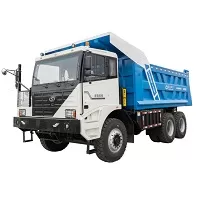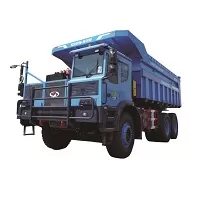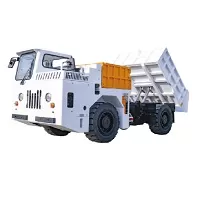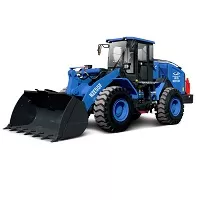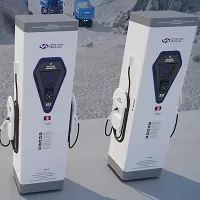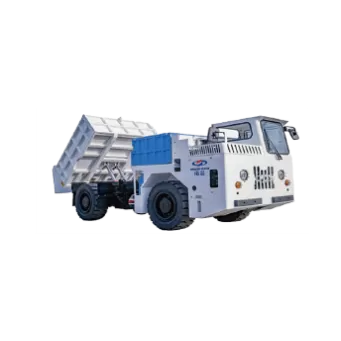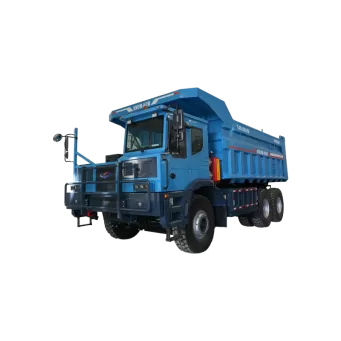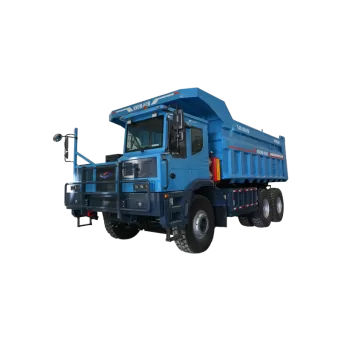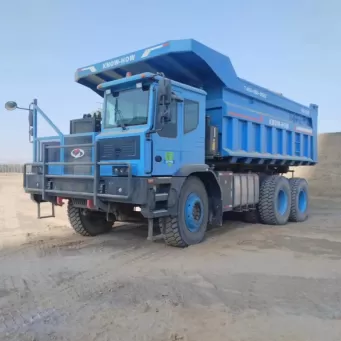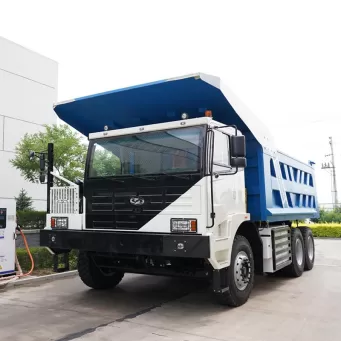
As mining operations increasingly turn to sustainable solutions, understanding the intricacies of electric Rigid Dump Trucks (RDTs) and their battery capacity is paramount. This article promises to provide you with actionable steps to enhance the performance of Electric RDTs by focusing on battery capacity and its direct effects. If you're grappling with maximizing the efficiency and productivity of your heavy-duty mining fleet, following these key strategies will help you overcome common challenges and boost operational success.
First, let’s clarify what battery capacity means in the context of electric RDTs. Battery capacity, measured in kilowatt-hours (kWh), indicates the total energy the battery can store. A higher capacity means longer operational time before recharging, which is crucial when deploying Electric RDTs for extensive mining activities. For instance, consider an Electric RDT with a 600 kWh battery capacity, which can run continuously for up to 12 hours under optimal conditions, significantly enhancing productivity compared to a lower capacity model.
Assess Your Current Battery Capacity
Evaluate the existing battery specifications of your Electric RDTs. Are you utilizing batteries that meet or exceed the job requirements? Conduct a comparative analysis against the industry standards such as ASTM or DIN to ensure compliance.
Implement Capacity Management Software
Use technologies like battery management systems (BMS) to monitor and manage battery performance in real-time. This ensures that the battery is used efficiently and can help predict maintenance issues before they arise. Options like the Battery Monitoring System Pro can boost operational transparency.
Adjust Operational Practices
Training your operators on eco-driving techniques can enhance battery life and performance. Simple methods such as smooth acceleration and regenerative braking can extend total runtime. Remember, it’s estimated that proper driving techniques can improve battery efficiency by up to 30%.
Evaluate Charging Infrastructure
Ensure that your charging stations are adequately equipped to support the high capacity of Electric RDTs. Implement fast-charging solutions when feasible, aiming for charging stations that can replenish batteries fully in under 2 hours, thereby minimizing downtime.
Regular Maintenance Checks
Schedule routine inspections according to manufacturer guidelines. Look for any signs of battery wear or degradation, as failing to address these can lead to diminished capacity and performance. Standard routine checks can help maintain an operational efficiency rate close to 95%.
Several obstacles may arise while implementing these measures:
Limited Understanding of Battery Systems: Invest in training for your maintenance team focused on battery technology and troubleshooting. Online courses focusing on electric vehicle maintenance can provide valuable insights.
High Initial Investment: While the upfront costs for advanced batteries and infrastructure can be significant, the long-term savings in fuel and maintenance will offset these costs. It’s a strategic investment toward sustainability and efficiency.
Integration Issues with Legacy Systems: Transitioning from diesel to electric may pose connectivity issues. Ensure thorough testing of your fleet integration to identify any potential setbacks early.
Battery Management Software: Employ a reliable BMS to ensure optimal performance.
Performance Monitoring Tools: Technologies like telematics systems can provide historical data to assess performance over time.
Training Programs: Seek training modules that focus on electric vehicle operation and maintenance best practices.
Evaluate your current battery setups against standards.
Invest in a Battery Management System to increase visibility on performance metrics.
Implement eco-driving training for operators, focusing on maximizing battery efficiency.
Upgrade your charging infrastructure to minimize downtime.
By taking these actionable steps, you can significantly improve how battery capacity affects Electric RDT performance within heavy-duty mining. The direct correlation between enhanced battery management and operational efficiency not only solves common issues but also contributes to a sustainable mining operation.
In conclusion, focusing on how battery capacity affects Electric RDT performance can drastically transform mining operations, driving both efficiency and profitability. I encourage you to adopt an integrated approach to battery management and operational practices today, thereby future-proofing your fleet in the evolving landscape of mining technology.
Jul. 23, 2022
View More
Jun. 15, 2022
View More
Jun. 01, 2022
View More