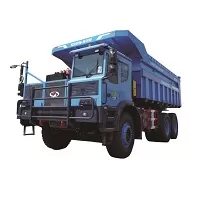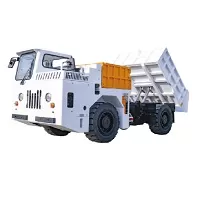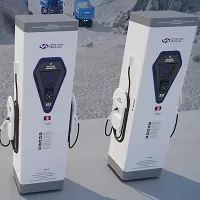
Electric dump truck fleets are increasingly becoming a staple in the construction and mining industries due to their reduced emissions and lower operating costs. However, while fast charging technologies promise to resolve downtime issues by dramatically reducing charging periods—charging up to 78% in just 30 minutes—there are multiple challenges that fleet managers face. These include operational costs, infrastructure limitations, and battery lifespan concerns. Understanding these pain points and their implications is essential when deciding on the implementation of fast-charging solutions in dump truck operations.
There are several challenges associated with fast charging electric dump trucks. First, the need for specialized infrastructure can be a significant barrier. According to a report from the International Council on Clean Transportation, specialized charging stations can cost from $20,000 to $100,000 each, depending on power requirements and installation conditions. This puts an economic strain on many fleet operators, particularly smaller businesses.
Second, high charging speeds can lead to thermal stress on batteries, reducing their lifespan. Research by the Department of Energy shows that frequent fast charging can cut battery life by 20-30%. Furthermore, the impact on battery performance and range can be detrimental during critical operational moments. This trade-off between rapid turnaround times and battery health adds complexity to fleet management decisions.
While fast charging allows dump trucks to resume operations quickly, the associated operational costs may not justify its benefits. Fleet operators must consider the heavy electricity demand that fast charging imposes. For instance, powering a fast charger might require upgrades to existing electrical infrastructure, which can take weeks or months to implement. A detailed cost analysis shows that the long-term savings from lower fuel costs must outweigh the initial infrastructure investments.
Many fleets may opt for conventional charging methods instead of fast charging for various valid reasons. Utilizing traditional charging methods, such as charging overnight, can lead to optimal battery health and lower operational costs over time. For instance, charging a dump truck with a Level 2 charger may take approximately 8 hours to fully charge, but it often results in prolonged battery life and reduced rates of thermal degradation.
A case study conducted by Electric Power Research Institute highlighted that fleets employing conventional charging strategies maintained their vehicles for up to 10% longer, thanks to minimal thermal stress. In contrast, fleets heavily reliant on fast charging saw increased maintenance costs due to accelerated battery replacements.
| Factor | Fast Charging | Conventional Charging |
|---|---|---|
| Charging Time | 30 minutes to 78% charge | 8 hours for full charge |
| Battery Lifespan | 20-30% reduction in life | Optimal lifespan maintenance |
| Infrastructure Cost | $20,000 - $100,000 per charger | Lower setup costs with existing infrastructure |
While fast charging electric dump trucks offers certain immediate operational advantages, these benefits must be weighed against the long-term impacts on battery health, infrastructure costs, and overall operational efficiency. For many fleets, adopting a more measured approach to charging—with a focus on battery preservation and lower costs—may be the most practical solution.
For those seeking to make informed decisions about their electric dump truck fleet management, we encourage further exploration of strategies and technologies offered by KNOW-HOW. The insights gained can help you optimize your fleet’s performance while maintaining essential operational standards.
Fast charging can charge an electric dump truck to approximately 78% in about 30 minutes, but practical implementation can vary based on the equipment used and existing infrastructure.
Frequent fast charging can significantly reduce the lifespan of batteries by 20-30% due to increased thermal stress and charging cycles.
Yes, conventional charging overnight is often more cost-effective and better for battery health. It allows full charging while reducing wear and tear on batteries.

Jul. 23, 2022
View More
Jun. 15, 2022
View More
Jun. 01, 2022
View More