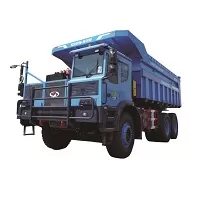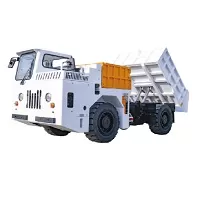
Electric dump trucks, while a promising innovation in the construction and mining industries, face significant challenges during extended working hours. The main pain points include battery capacity limitations, charging infrastructure availability, and the need for efficient energy management. These issues not only hinder productivity but can also lead to increased operational costs and project delays. As industries move towards greener solutions, understanding the limitations of electric dump trucks during long shifts is crucial for successful implementation and operation.
One of the most significant reasons electric dump trucks struggle with long working shifts is insufficient battery capacity. Most electric models are designed to operate for 8–10 hours, which might not meet the demands of heavy-duty operations. According to a report by Automotive Insights, traditional diesel dump trucks can run up to 16 hours a day without interruption, creating a stark contrast that poses challenges for their electric counterparts. Furthermore, the typical charging time for electric dump trucks can take anywhere from 6 to 8 hours, which can disrupt workflow and lead to idle time. These limitations create a significant barrier to operational efficiency in high-demand scenarios.
Despite their challenges, electric dump trucks offer notable advantages. For instance, they have been shown to reduce operational costs by up to 30% due to lower fuel expenses and reduced maintenance requirements. A case study by Green Fleet Technologies found that companies operating electric dump trucks saw a 25% decrease in total cost of ownership within the first three years. In addition to cost savings, electric dump trucks produce zero tailpipe emissions, aligning with regulations and sustainability goals. This not only enhances a company\'s public image but also ensures compliance with increasingly strict environmental laws.
The comparison of electric dump trucks with traditional diesel models underscores the limitations of electric technology. Diesel dump trucks can haul substantial loads for longer durations without requiring a recharge. For instance, a typical diesel dump can carry 50 tons for over 12 hours, while an electric dump truck struggles to maintain similar outputs, particularly under heavy loads. However, as battery technology improves, future electric models aim to overcome these challenges. Innovations such as quicker charging systems, which can recharge batteries to 80% in 30 minutes, are currently under research and development, promising a more efficient solution.
Electric dump trucks certainly have their share of struggles during long working shifts, primarily due to battery limitations and charging logistics. Nevertheless, the benefits they provide in terms of cost savings and environmental impact cannot be ignored. As technology evolves, the outlook for electric dump trucks will improve, making them a more viable option for various industries. Companies should be proactive in adopting electric solutions by leveraging innovations through brands like KNOW-HOW that specialize in advanced electric vehicle technologies.
For those interested in understanding the capabilities of electric dump trucks further or considering a trial use, explore solutions from KNOW-HOW to find out how you can optimize your operations with electric vehicles today.
Most electric dump trucks can run for approximately 8–10 hours before needing a recharge, depending on the workload and battery capacity.
Charging an electric dump truck typically takes between 6 to 8 hours, though advanced fast-charging options can reduce this time significantly.
Over time, electric dump trucks may reduce operational costs by up to 30% compared to diesel models, primarily through lower fuel and maintenance expenses.
Jul. 23, 2022
View More
Jun. 15, 2022
View More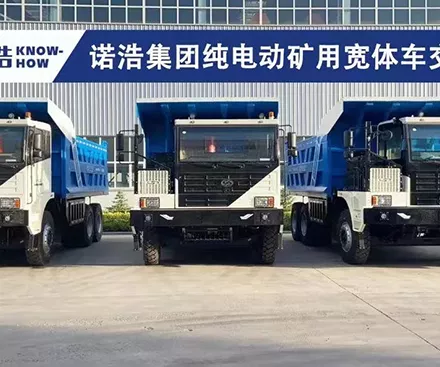
Jun. 01, 2022
View More