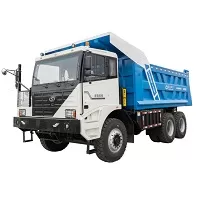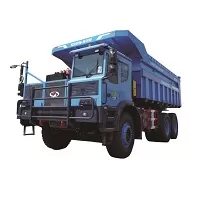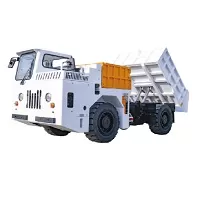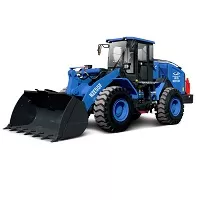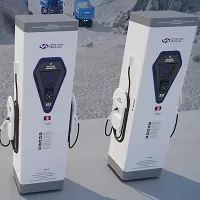
The transition to electric vehicles, particularly in the heavy machinery sector, is gaining traction worldwide. This is especially true for electric dump trucks, which present several advantages such as reduced emissions, lower running costs, and enhanced operational efficiency. However, the real readiness of electric dump trucks in developing markets poses significant questions. Critical factors such as infrastructure, technology adoption, and local regulations play pivotal roles in shaping this landscape. Understanding these elements can illuminate the path for overseas buyers and distributors as they consider integrating electric dump trucks into their operations.
The current market readiness for electric dump trucks encompasses several vital aspects:
The availability of charging stations and maintenance facilities is essential. In developing markets, many areas still lack the necessary infrastructure to support electric vehicles, making it difficult for electric dump trucks to operate efficiently.
Battery technology is constantly evolving, improving the range and efficiency of electric dump trucks. However, regions that lag in technology adoption may face challenges in accessing these advancements.
Significant investment is required not only for the trucks but also for developing supportive technologies and infrastructure. The willingness of local governments and businesses to invest varies greatly across developing markets.
User education is critical. Potential buyers must understand the long-term benefits and savings associated with electric dump trucks, which may require tailored outreach and marketing strategies in developing areas.
Government incentives and policies can greatly influence market readiness. Effective regulations that promote electric vehicle adoption can foster a more conducive environment for electric dump trucks.
The following barriers are prevalent in developing markets:
The initial purchase price of electric dump trucks can significantly deter potential buyers. Although running costs are lower, the upfront investment remains a considerable hurdle.
Many regions do not have the skilled labor necessary to maintain and repair electric vehicles. This lack of expertise can lead to longer downtimes and increased operational costs.
Concerns regarding sustainable battery disposal and recycling can create reluctance to adopt electric dump trucks, especially in developing markets where environmental regulations may be weak.
While electric dump trucks have improved significantly, their range and performance may not yet match those of their diesel counterparts in all scenarios, leading to performance-related apprehensions among buyers.
There are notable success stories and challenges associated with electric dump trucks:
| Country | Success Stories | Challenges |
|---|---|---|
| China | Rapid infrastructure growth and government support for electric vehicles. | Overcapacity in traditional coal-powered industries. |
| India | Investment in battery technology, supported by startups. | Limited charging infrastructure in rural areas. |
| Brazil | Strong policy initiatives promote electric vehicle usage. | High initial costs impact market penetration. |
China has made significant strides in electric vehicle adoption, including electric dump trucks. Government incentives and massive investment in charging infrastructure have paved the way for success in urban areas.
Indian startups are leading in battery technology innovations, yet infrastructural challenges restrain widespread adoption in remote regions.
The future of electric dump trucks in developing markets hinges on several factors:
Continued advancements in battery technology and electric drivetrains will make electric dump trucks more competitive with traditional options.
Strategic policies promoting electric vehicles can drive adoption, particularly subsidies for buyers and incentives for manufacturers.
Collaborations between technology companies and traditional manufacturers can hasten the development and deployment of solutions tailored to developing markets.
As environmental concerns rise, the demand for cleaner alternatives, including electric dump trucks, is likely to grow, encouraging investment and infrastructure development.
Jul. 23, 2022
View More
Jun. 15, 2022
View More
Jun. 01, 2022
View More