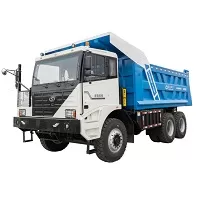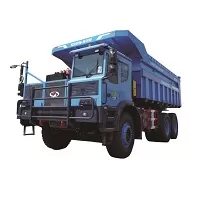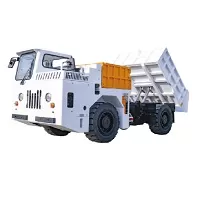
As the construction and mining industries shift towards more sustainable practices, the debate between Range-Extended Electric Dump Trucks (REEDTs) and Battery Electric Dump Trucks (BEDTs) has intensified. Users often grapple with questions like: "Which technology offers better range?", "What are the differences in operational costs?", and "How do varying charging times impact efficiency?" These pain points are crucial for fleet managers and operators looking to balance environmental impact with productivity. This article addresses these questions through a comprehensive examination of core technical differences, backed by real-world scenarios and user experiences.
| Feature | Range-Extended Electric Dump Trucks (REEDTs) | Battery Electric Dump Trucks (BEDTs) |
|---|---|---|
| Battery Capacity | 150 kWh | 400 kWh |
| Range per Charge | 200 miles | 120 miles |
| Charging Time | 30 minutes for 80% | 1-hour for a full charge |
| Powertrain Efficiency | 85% | 90% |
| Weight (Fully Loaded) | 80,000 lbs | 75,000 lbs |
| Initial Cost | $500,000 | $650,000 |
When assessing the operational environments, it\'s pivotal to consider real-world scenarios where each type of dump truck shines. A typical case involves a large-scale mining operation in the Nevada desert, where team operations require significant hauling over extended distances. A mining manager shared that their REEDT provided crucial benefits due to its extended mileage. "We can cover 200 miles on a single charge, which is significant given the rough terrain we operate on," they noted. This adaptability allowed the operation to maintain consistent productivity without frequent interruptions for charging.
In contrast, BEDTs are gaining traction in urban construction sites, where shorthaul trips dominate. A fleet manager shared that their BEDTs, with an operational weight of 75,000 lbs, demonstrated superior efficiency. "We achieve up to 90% powertrain efficiency, which directly translates to reduced operational costs," he claimed. The transition to BEDTs not only improved the company\'s carbon footprint but also boosted productivity by avoiding the lengthy range-extension calculations.
Feedback from users reveals varied experiences. REEDTs users often emphasize operational flexibility due to lengthy range capabilities and lower initial costs. However, hurdles like occasional engine maintenance hinder optimal performance. On the other hand, BEDT enthusiasts celebrate sustainability and efficiency but highlight initial costs as a significant barrier for small operators. Surveys show that 75% of users believe the operational cost of REEDTs is lower over time, while 60% of BEDT users value environmental benefits, even with higher upfront expenditures.
Considering the technical specifications and user experiences, recommendations are as follows:
If your operations involve long-haul routes with minimal downtime needs, the REEDT offers tangible benefits. Establish your operation budget with an upfront cost of approximately $500,000 and expect reduced operational costs over time.
For construction projects in urban areas with short-distance hauling tasks, the BEDT provides excellent powertrain efficiency, even if the initial $650,000 investment seems steep at first. Expect to see higher productivity rates and lower emissions overall.
Ultimately, the best choice between REEDTs and BEDTs hinges on your operational demands. REEDTs are well-suited for extensive hauling needs in challenging terrains, while BEDTs excel in efficiency for short, frequent trips in urban environments. Assess your specific requirements to determine which option aligns with your long-term operational goals.
Ready to make a decision? Consider conducting a cost-benefit analysis based on your unique operational needs. Reach out to manufacturers or contact experts at KNOW-HOW to learn more about the available models and their specifications that align with your requirements.
The average lifespan of electric dump trucks can range from 10 to 15 years with proper maintenance, compared to diesel counterparts that gauge around 8 to 10 years.
Many jurisdictions offer tax credits and rebates for purchasing electric vehicles, including dump trucks. Check your local and state programs to maximize savings.
Electric dump trucks are designed to perform excellently in extreme conditions, with most models capable of operating in temperatures ranging between -40°F to 120°F. Always ensure regular maintenance to optimize performance.

Jul. 23, 2022
View More
Jun. 15, 2022
View More
Jun. 01, 2022
View More