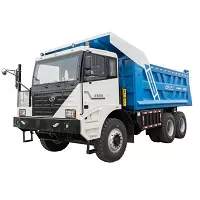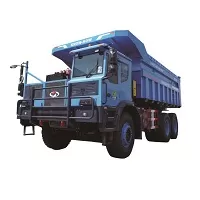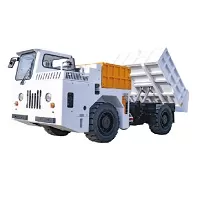
As mining operations strive for efficiency and sustainability, Electric Rigid Dump Trucks (RDTs) are emerging as essential components in open-pit mine haulage electrification. This article explores the potent aspects of electric RDTs, their operational advantages, integration challenges, and future prospects in enhancing the efficiency and sustainability of mining practices. By implementing electric RDTs, mines can reduce their carbon footprints, lower operational costs, and improve safety protocols—a win-win for both the industry and the environment.
Electric Rigid Dump Trucks are heavy-duty vehicles powered by electric energy instead of traditional diesel engines. They are designed to transport large volumes of materials from one location in a mine to another.
Electric RDTs offer advantages such as lower operating costs, reduced emissions, and quieter operation compared to traditional diesel-powered trucks. This section should include a detailed analysis citing studies from reputable sources, such as the U.S. Department of Energy.
Electric RDTs significantly lower fuel costs and maintenance expenses. Analyze cost comparisons through case studies and data from recent implementations.
Reduced greenhouse gas (GHG) emissions are a key benefit. Leverage statistics from environmental organizations to back claims regarding the impact of electrification on a mine's carbon footprint.
Electric vehicles have fewer moving parts, which translates to reduced mechanical failure. Highlight safety improvements and manufacturer data supporting these claims.
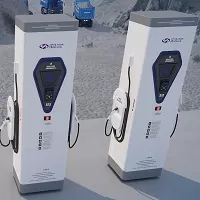
Detail the necessary changes to existing infrastructure to accommodate electric RDTs, including charging stations and energy supply adjustments.
Discuss the upfront costs associated with transitioning to electric RDTs and contrast them with long-term savings. Mention financial models and funding opportunities available for mining companies.
Encourage partnerships with manufacturers to help tailor solutions for specific mining operations. Include examples of collaborations and outcomes.
Analyze current trends in mining electrification and predict future advancements, including technological innovations and policy changes.
Discuss how mining regulations are evolving toward sustainability and how companies can prepare for compliance. Reference environmental policies set forth by organizations like EPA.
Stress the importance of feasibility studies before transitioning to electric RDTs, including financial, operational, and environmental impacts.
Emphasize ongoing evaluation of electric RDT performance and adapting strategies based on operational data.
The transition to Electric Rigid Dump Trucks in open-pit mining represents an innovative leap towards sustainability and efficiency. By understanding the key benefits, challenges, and considerations associated with electrification, mining companies can make informed decisions that not only enhance their operations but also contribute positively to the environment. With careful planning, collaboration, and execution, the implementation of electric RDTs can pave the way for a greener, more sustainable mining industry.
Jul. 23, 2022
View More
Jun. 15, 2022
View More
Jun. 01, 2022
View More