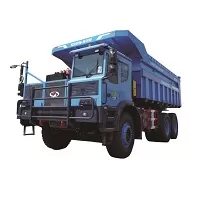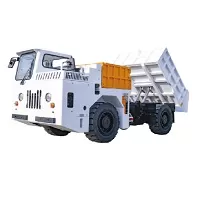
The deployment of electric dump trucks is constrained by infrastructure challenges. As the world shifts towards sustainable solutions, electric dump trucks are gaining attention. However, outdated roadways and insufficient charging stations create hurdles for this advancement. This situation affects various sectors, including mining and construction. Overcoming these infrastructure limitations is essential for the growth of electric vehicles. Understanding the implications can help stakeholders make informed decisions.
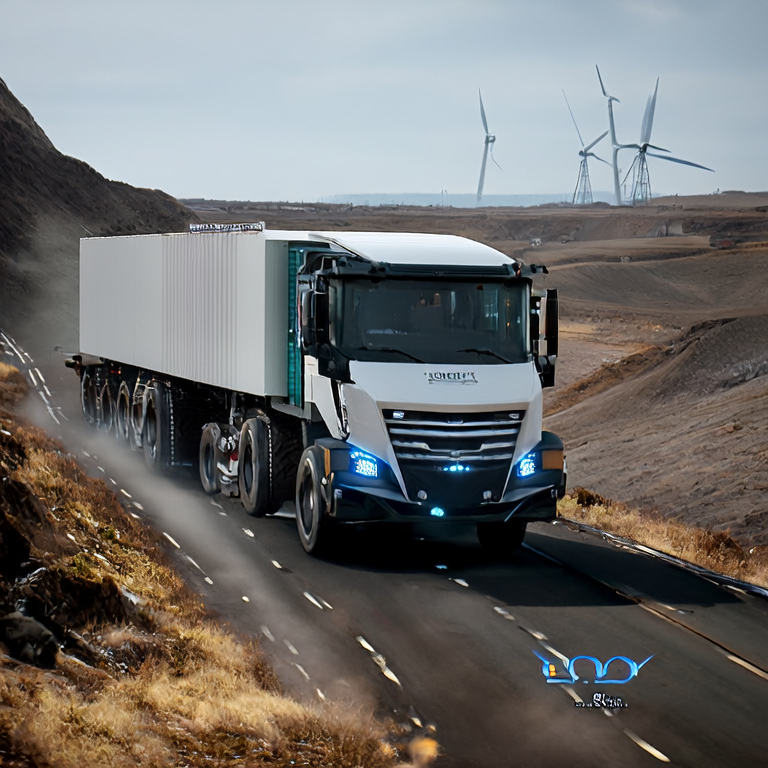
Infrastructure limits the deployment of electric dump trucks by restricting charging capabilities and roadway access. Improved infrastructure is crucial for increasing the efficiency and availability of electric dump trucks globally.
The availability of charging stations directly impacts the usability of electric dump trucks. Many areas lack adequate charging facilities. This deficiency forces operators to rely on traditional fuel options, delaying the adoption of electric models.
Most road networks are designed for conventional vehicles. Electric dump trucks require specific road conditions, such as smooth surfaces and adequate weight capacity. In many regions, the existing infrastructure cannot support these needs, leading to operational challenges.
Investing in electric dump trucks is often higher than buying diesel trucks. The high costs can deter companies from transitioning. Additionally, upgrading infrastructure to accommodate electric trucks requires significant investment, which may not be feasible for all companies.
In many countries, government support for electric vehicle infrastructure is limited. Without incentives, companies may hesitate to invest in electric dump trucks. Government policies play a crucial role in promoting electric vehicle usage.
The acceptance of electric dump trucks by the public and industry stakeholders is still growing. Many people are not familiar with the benefits of electric vehicles. Increasing awareness can encourage more investments in electric dump trucks.
Forming partnerships between companies and infrastructure providers can help create better charging networks. Collaborating with local governments can also accelerate upgrades to roads.
Investing in infrastructure is essential for the growth of electric dump trucks. Governments and private sectors must allocate funds to improve charging facilities and road conditions.
Implementing and expanding incentive programs can encourage companies to invest in electric vehicles and associated infrastructure. Financial support is crucial for making these transitions viable.
Launching educational campaigns will help raise awareness about the benefits of electric vehicles. This initiative can increase public acceptance, supporting wider adoption of electric dump trucks.
Investing in sustainable technology can lead to better electric vehicles and infrastructure. Continuous improvement is vital for optimizing electric dump trucks and their supporting systems.
In conclusion, infrastructure limits the deployment of electric dump trucks worldwide. Limited charging facilities, outdated roadways, high initial costs, and lack of government incentives are significant roadblocks. To promote electric vehicles, strategic investments and partnerships are essential. Addressing these infrastructure challenges will pave the way for widespread adoption of electric dump trucks, benefitting various industries.
Q1: What is an electric dump truck?
A: An electric dump truck is a type of heavy-duty truck powered by electric batteries instead of diesel fuel.
Q2: What are the benefits of using electric dump trucks?
A: Electric dump trucks reduce greenhouse gas emissions, decrease fuel costs, and often have lower maintenance costs.
Q3: Why is infrastructure important for electric dump trucks?
A: Infrastructure is vital because it supports charging capabilities and smooth road conditions, enabling effective use of electric dump trucks.
Q4: How can governments support the use of electric dump trucks?
A: Governments can provide incentives, invest in infrastructure, and create public awareness campaigns to promote electric vehicles.
Q5: What are the challenges of transitioning to electric dump trucks?
A: Key challenges include high initial costs, limited charging stations, and the need for road improvements.
Q6: How can companies invest in electric dump trucks?
A: Companies can collaborate with infrastructure providers, seek government incentives, and educate staff about the advantages of electric vehicles.
Jul. 23, 2022
View More
Jun. 15, 2022
View More
Jun. 01, 2022
View More