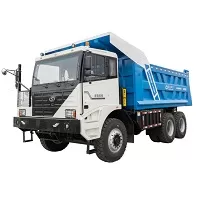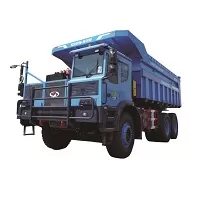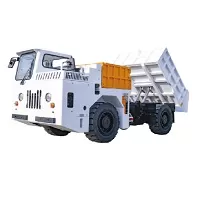
Electric Rigid Dump Trucks are rapidly becoming a key player in the haulage applications of copper, iron ore, and quarry materials. These innovative vehicles combine efficiency, low emissions, and cost-effectiveness, making them an attractive option for mining and construction companies. This article will explore the features, benefits, and implementation steps for electric rigid dump trucks in the specified sectors, aimed at guiding industry professionals in adopting these advanced technologies.
Definition: Electric rigid dump trucks are heavy-duty vehicles designed to transport materials like copper and iron ore from mines or quarries. They operate using electric power instead of traditional diesel engines, which contributes to reduced greenhouse gas emissions and overall environmental impact.
Types:
Battery Electric Vehicles (BEVs)
Fuel Cell Electric Vehicles (FCEVs)
Key Components:
Electric Drive Systems
Advanced Battery Technology
Regenerative Braking Systems
Environmental Impact:
Zero emissions during operation reduce air pollution in mining regions.
Less noise pollution contributes to improved health and safety for workers.
Cost Efficiency:
Lower fuel costs due to electricity being cheaper than diesel.
Reduced maintenance costs thanks to fewer moving parts in electric motors.
Operational Efficiency:
High torque from electric engines provides better towing capability in steep terrains.
Regenerative braking systems increase energy efficiency during downhill operations.
Step 1: Assess Your Needs
Evaluate the volume of material to be transported and the terrains involved.
Determine the operational hours to understand the energy requirements.
Step 2: Research Available Models
Look for manufacturers specializing in electric rigid dump trucks, such as Caterpillar, Komatsu, and Volvo.
Consider specifications like payload capacity, battery life, and charging capabilities.
Step 3: Conduct Pilot Testing
Implement a pilot project with a limited number of units in a controlled environment.
Monitor performance metrics to gather data on efficiency, cost, and environmental impact.
Step 4: Train Your Workforce
Provide training sessions on the operation and maintenance of electric rigid dump trucks.
Educate staff on safety protocols related to electric vehicles.
Step 5: Optimize Charging Infrastructure
Invest in robust charging stations that can accommodate your fleet\'s energy needs.
Consider on-site renewable energy sources like solar panels for sustainable operations.
Step 6: Evaluate and Adjust Operations
Set performance metrics and KPIs to evaluate the effectiveness of the transition.
Gather feedback from operators to identify areas of potential improvements.
Electric Shock Risks:
Implement lockout/tagout procedures during maintenance to prevent accidental electrocution.
Provide proper insulation and ground all electrical components effectively.
Fire Hazards:
Establish proper fire detection and suppression systems within the charging area.
Train personnel on the appropriate response strategies for battery fires.
Advancements in Battery Technology: Expect longer battery life and shorter charging times, enhancing operational efficiency.
Integration of AI and Automation: Anticipate the rise of smart dump trucks with autonomous driving capabilities for improved logistics.
Electric rigid dump trucks present a sustainable solution for copper, iron ore, and quarry haulage operations, offering various benefits from cost savings to reduced emissions. By following the outlined steps for implementation and taking safety and future trends into account, companies can position themselves favorably in an increasingly eco-conscious mining industry.

Jul. 23, 2022
View More
Jun. 15, 2022
View More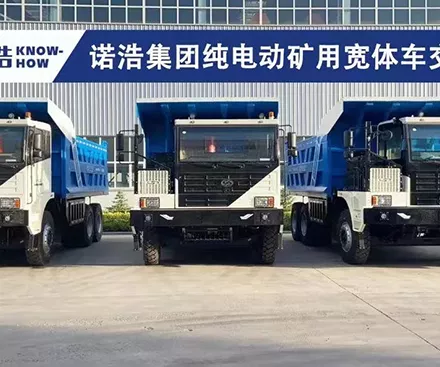
Jun. 01, 2022
View More