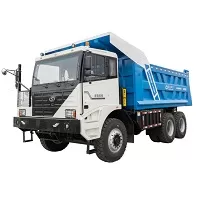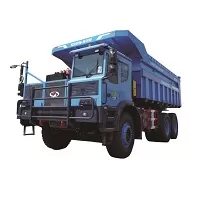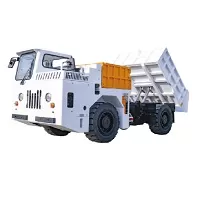
As the mining industry seeks to adopt more sustainable technologies, users often face significant challenges related to energy consumption, efficiency, and operational costs. Are you currently utilizing rigid dump trucks (RDTs) in your downhill mining operations and seeking solutions to increase energy efficiency? Electric RDTs equipped with regenerative braking systems can reduce energy consumption by up to 30%, lower operational costs and extend battery life. Many operators, like John from a limestone quarry in Utah, have achieved measurable improvements by integrating Electric RDTs into their daily workflows, resulting in enhanced productivity and sustainability.
The mining scenario is often fraught with concerns over rising energy costs and environmental impact. Traditional diesel-powered RDTs can consume between 100 to 150 liters of diesel per hour, leading to substantial operational expenses. Additionally, the carbon footprint associated with these vehicles can compromise your environmental compliance efforts. In contrast, Electric RDTs offer a promising solution. With the implementation of advanced regenerative braking technologies, Electric RDTs harness kinetic energy during braking, converting it back into electrical power, effectively reducing overall energy consumption.
Before transitioning to Electric RDTs for downhill mining, consider the following preparations:
Assessment of Current Fleet: Evaluate existing RDTs and their operational efficiency to establish a benchmark.
Training for Operators: Cultivate technical proficiency through training programs focused on electric vehicle technologies and regenerative braking systems.
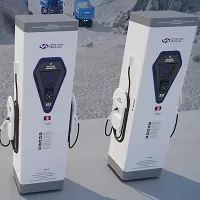
Infrastructure Upgrades: Ensure appropriate charging infrastructure is in place. Research has shown that installing fast-charging stations can reduce charging times to as short as 30 minutes.
Step 1: Research and Select Electric RDT Models - Compare various models based on energy consumption statistics and user feedback. Look for features like regenerative braking and onboard energy storage.
Step 2: Schedule Training Sessions - Develop a training schedule that includes both theoretical and practical components, ensuring that operators are comfortable with new technologies.
Step 3: Install Charging Stations - Set up fast-charging stations strategically around your mining site to ensure that vehicles can operate with minimal downtime.
Step 4: Monitor Performance Metrics - Use software tools to analyze energy savings, operational efficiency, and maintenance requirements regularly, enabling continuous improvement.
While transitioning to Electric RDTs, you may encounter some common pitfalls:
Insufficient Operator Training: Ensure comprehensive training; studies indicate that adequately trained operators can improve energy efficiency by up to 25%.
Neglecting Regular Maintenance: Schedule routine checks and maintenance on regenerative braking systems to keep them at optimal performance levels.
Poor Charging Infrastructure: Evaluate and upgrade charging stations to accommodate multiple RDTs. A well-planned layout can decrease downtime by up to 40%.
By integrating Electric RDTs with advanced regenerative braking systems, mining operations can significantly reduce fuel consumption and cut costs by approximately 30%. John’s limestone quarry has reported a 25% reduction in operational costs within six months of adopting Electric RDTs. However, success hinges on adequate training, proper maintenance, and well-designed infrastructure upgrades. Moving forward, consider collaborations with electric vehicle experts to continuously evaluate and update your practices.
What are the main benefits of Electric RDTs?
Electric RDTs can deliver significant savings in energy costs, reduce carbon emissions, and require less maintenance than traditional diesel trucks.
How does regenerative braking work in Electric RDTs?
Regenerative braking captures the kinetic energy produced during braking and converts it into electrical energy, which can then be stored in the vehicle\'s batteries for reuse.
What kind of training do operators need?
Operators need training on the specifics of electric vehicle dynamics, regenerative systems, and safety protocols to ensure efficient and safe operation.
Jul. 23, 2022
View More
Jun. 15, 2022
View More
Jun. 01, 2022
View More