Industry News
  Home   NEWS     Industry News     Electric Dump Trucks and the Reality of Remote Job Sites

Electric Dump Trucks and the Reality of Remote Job Sites

Release time: February 03, 2026

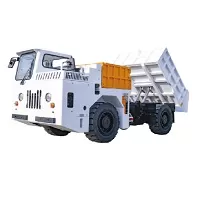
As the construction and mining industries evolve, the demand for sustainable solutions like electric dump trucks grows. These vehicles are not just an innovation; they serve crucial roles at remote job sites. However, challenges arise in their deployment and operation. Understanding the realities of using electric dump trucks, ranging from operational efficiency to cost-effectiveness, is vital for stakeholders in the industry. In this article, we explore user pain points, benefits, and real-world applications relevant to electric dump trucks in remote settings.

2. User Pain Points

The shift to electric dump trucks presents several concerns for users operating in remote job sites, including:

  1. Limited Range: Electric dump trucks often face challenges with battery life and route range, impacting productivity.
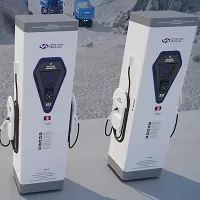
  2. Charging Infrastructure: In remote locations, establishing adequate charging stations can be difficult.
  3. Initial Costs: Higher upfront costs for electric dump trucks compared to traditional models can deter investment.
  4. Training Needs: Operators may require additional training to handle electric vehicles effectively.
  5. Maintenance Availability: Access to specialized maintenance and parts can be limited in remote areas.

3. Benefits of Electric Dump Trucks

Despite the challenges, electric dump trucks offer notable advantages that address many industry pain points:

  1. Reduced Emissions: Electric dump trucks significantly lower greenhouse gas emissions, promoting sustainable practices.
  2. Lower Operating Costs: Reduced fuel and maintenance costs can lead to improved overall budgeting.
  3. Quieter Operation: Electric vehicles generate less noise, benefiting job sites with strict noise regulations.
  4. Enhanced Performance: Instant torque from electric motors often improves performance metrics compared to diesel counterparts.
  5. Technological Advancements: Innovations in battery technology and automation enhance operational efficiency.

4. Challenges in Remote Job Sites

Remote job sites exacerbate various challenges related to electric dump truck implementation. The key issues include:

  1. Access to Resources: Limited access to spare parts and services may lead to longer downtimes.
  2. Logistical Constraints: Transporting electric dump trucks to remote sites poses unique logistical challenges.
  3. Battery Recharging: Establishing rapid charging facilities in isolated locations remains a critical hurdle.
  4. Weather Conditions: Extreme weather can impact battery performance and vehicle reliability.
  5. Workforce Adaptability: The need for skilled operators who are familiar with electric systems affects onboarding and training processes.

5. Real-World Case Studies

To illustrate the practical operation of electric dump trucks in remote job sites, we examine two relevant case studies:

Case Study 1: Mining Operations in Canada

A mining company in Northern Canada implemented electric dump trucks in its operations. Despite harsh weather conditions and logistical hurdles, the project led to a 40% reduction in operational costs due to fuel savings and lower maintenance needs.

Case Study 2: Construction Project in Australia

An Australian construction firm integrated electric dump trucks into its workflow, significantly decreasing noise pollution and operating costs. The firm reported an increase in project efficiency while receiving positive community feedback.

6. Comparison of Electric Dump Trucks

Model Battery Capacity (kWh) Max Range (Miles) Load Capacity (Tons) Charging Time (Hours)
Model A 200 120 20 2
Model B 300 180 25 3
Model C 250 150 22 2.5

7. The Future of Electric Dump Trucks

The landscape for electric dump trucks is rapidly evolving. Future trends indicate:

  1. Increased Adoption: Companies are becoming more open to adopting electric vehicles, driven by policy changes and sustainability goals.
  2. Technological Innovations: Advancements in battery technology and energy management systems will enhance performance and reduce costs.
  3. Expanded Infrastructure: Investments in charging infrastructure will make electric dump trucks more viable in remote locations.
  4. Integration of AI: Artificial intelligence will play a significant role in optimizing logistics and maintenance schedules.
  5. Global Collaboration: International partnerships will accelerate research and development efforts in electric vehicle technologies.

8. Conclusion

Electric dump trucks offer a viable and sustainable alternative for operations on remote job sites. Despite facing challenges relating to range, infrastructure, and costs, their benefits in emissions reduction and operational efficiency are compelling. As the industry moves towards more sustainable practices, electric dump trucks will play an essential role in reshaping the future of construction and mining operations.
HOT NEWS
Wechat
Wechat