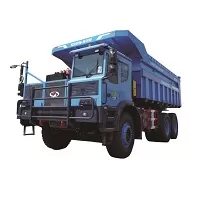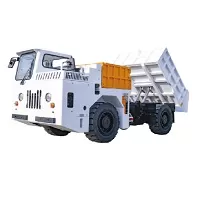
Electric dump trucks have gained attention as a sustainable alternative to traditional diesel trucks. As the demand for efficient transport solutions grows, many users ask if these electric vehicles are truly ready for 24/7 heavy-duty operations. This concern centers around performance, charging infrastructure, and operational efficiency. In this article, we will explore these aspects, aiming to provide a comprehensive answer to this essential question.
Electric dump trucks utilize advanced battery and motor technologies, allowing them to operate effectively in demanding environments. Below are key technologies that define their current capabilities.
Modern electric dump trucks are equipped with lithium-ion batteries, providing energy efficiency and longevity. This technology supports faster charging and longer operational hours without being tied to a power source, vital for heavy-duty work.
Electric motors offer a high torque output from the start, enabling these trucks to handle steep inclines and heavy loads, which is indispensable in construction and mining scenarios.
Many electric dump trucks now include regenerative braking systems, allowing the vehicle to recharge when slowing down, which enhances overall efficiency during operation.
When considering electric dump trucks for 24/7 heavy-duty operations, several performance metrics are essential. They include:
Electric models can typically handle loads comparable to diesel counterparts, often exceeding 15 tons depending on the model.
With technological advancements, electric dump trucks can now cover ranges upwards of 200 miles on a single charge, making them suitable for long shifts in remote locations.
Rapid charging stations can recharge a truck in as little as 2-3 hours, allowing for quick turnarounds during long operational hours.
Electric dump trucks face several challenges that can impact their effectiveness in 24/7 operations:
Extensive charging infrastructure is needed, particularly in remote work sites, which might not always be available.
Battery performance can decrease in extremely cold or hot conditions, impacting operational efficiency.
The initial costs for electric dump trucks are higher compared to traditional models, which might deter some buyers, despite savings in fuel and maintenance over time.
Several companies have successfully integrated electric dump trucks into their fleets:
Company A, a mining firm, reported a 30% reduction in operational costs after switching to electric models.
Company B achieved a 40% decrease in greenhouse gas emissions while increasing productivity through the use of electric dump trucks.
| Feature | Electric Dump Trucks | Diesel Dump Trucks |
|---|---|---|
| Initial Cost | Higher | Lower |
| Operational Cost | Lower | Higher |
| Emissions | Zero | High |
| Noise Level | Low | High |
| Range | Up to 200 miles | Variable |
The future of electric dump trucks seems bright as technology improves continuously.
Upcoming developments promise batteries with even greater efficiency and lower costs, likely making electric dump trucks more competitive in the market.
With growing investments in charging infrastructure, electric dump trucks will likely achieve enhanced reliability and convenience, paving the way for their usability in remote operations.
In summary, while electric dump trucks inherently possess many features suited for heavy-duty operations, considerations around infrastructure, costs, and battery performance must be addressed. However, with the industry\'s advancement, they could very well redefine heavy-duty transport, significantly impacting operational efficiency and sustainability in the long run.

Jul. 23, 2022
View More
Jun. 15, 2022
View More
Jun. 01, 2022
View More